What if a simple cup of tea could transform your wellness journey? With herbal teas, each sip not only warms your body but also aligns with your health goals, creating a personalized path to well-being. Discover how you can make the most of your herbal tea rituals and enhance your daily life.
What You Will Learn
- How to identify and set personal health objectives related to wellness.
- The benefits of specific herbal teas for relaxation, digestion, energy, immune support, and sleep.
- Guidelines for safely incorporating herbal teas, including potential allergies and herb-drug interactions.
- Effective methods for personalizing your herbal tea selection, such as comparison charts and journaling.
- Tips for creating custom herbal blends tailored to your taste and health needs.
Common Health Objectives Supported by Herbal Teas
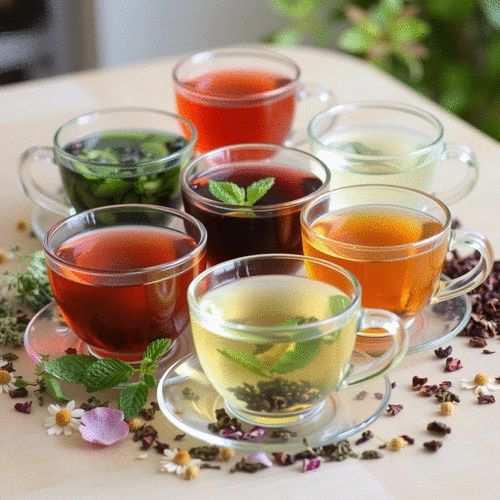
Explore the diverse health objectives that various herbal teas can help you achieve, as illustrated below.
Relaxation and Stress Relief
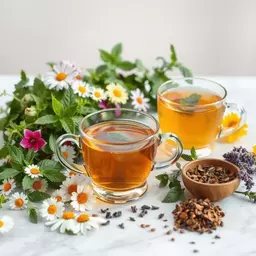
Calming herbal teas such as chamomile and lavender can help soothe your mind and body.
Boosting Digestion
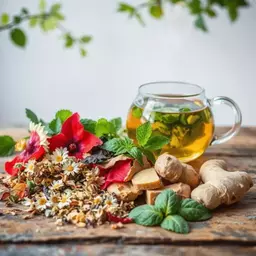
Herbal teas like peppermint and ginger aid in easing discomfort and promoting healthy digestion.
Enhancing Energy Levels
Energizing herbal teas, such as ginseng and rooibos, can help boost vitality and stamina.
Immune Support
Herbal teas like echinacea and elderberry are known for their immune-boosting properties.
Improving Sleep Quality
Teas like valerian root and passionflower can help calm the mind for restful sleep.
Understanding Your Wellness Goals with Herbal Tea
Setting personal wellness goals is an essential step in our journey toward harmony and balance. At Daily Qi Ritual, I believe that herbal tea can play a significant role in achieving these goals. Whether you're looking to relax, boost your energy, or support your digestive health, understanding your unique health objectives is key to selecting the right herbal teas for your needs. For more insights into how these practices can benefit your overall well-being, explore our guide on mindful rituals for holistic health.
Have you ever thought about what you truly want to achieve with your well-being? Begin by reflecting on your current state and what areas you would like to improve. By identifying these personal health objectives, you can create a tailored approach to incorporating herbal teas into your daily routine.
Identifying Personal Health Objectives
When it comes to wellness, one size doesn't fit all! Here are some common health objectives that you might consider:
- Relaxation and stress relief
- Boosting digestion
- Enhancing energy levels
- Immune support
- Improving sleep quality
Each of these goals can be supported by different types of herbal teas, providing a natural and enjoyable way to enhance your well-being. Remember, it's important to listen to your body and choose what feels right for you.
Relaxation and Stress Relief: The Role of Calming Herbal Teas
Finding moments of peace in our busy lives is crucial. Calming herbal teas such as chamomile and lavender can help soothe your mind and body. Imagine wrapping your hands around a warm cup of chamomile tea, inhaling its gentle aroma. What a beautiful way to invite tranquility into your day! For more ways to unwind, consider incorporating mindfulness in everyday life.
These soothing teas work by promoting relaxation and reducing stress. Consider incorporating them into your evening routine to create a calming ritual that signals to your body that it’s time to unwind.
Boosting Digestion: Herbal Teas for Digestive Support
If you've ever felt bloated or uncomfortable after a meal, you’re not alone. Herbal teas like peppermint and ginger can be your allies in supporting digestion. These herbs are known for their soothing properties, helping to ease discomfort and promote healthy digestion.
Next time you enjoy a rich meal, try sipping on a cup of peppermint tea afterward. It’s a simple yet effective way to support your digestive system while enjoying a delightful flavor!
Enhancing Energy Levels: Herbs That Energize
Feeling sluggish? Energizing herbal teas, such as ginseng and rooibos, can help boost your vitality. These herbs are celebrated for their ability to enhance focus and stamina, making them perfect companions for a busy day.
Incorporate these teas into your morning routine—imagine starting your day with a refreshing cup of rooibos, setting a vibrant tone for what’s to come!
Immune Support: Herbal Teas for Health Conditions
Strengthening your immune system is a valuable goal, especially during seasonal changes. Herbal teas such as echinacea and elderberry are known for their immune-boosting properties. They help your body fight off colds and infections while providing delicious flavors.
To support your immune health, consider sipping on these teas regularly, especially during the cold months. Think of it as a warm hug for your body!
Sleep Aid: Herbal Teas for a Good Night's Rest
Getting a restful night's sleep is vital for overall wellness. Herbal teas like valerian root and passionflower can help calm your mind and prepare your body for sleep. Picture yourself winding down with a cup of valerian root tea, embracing the stillness before bed. For more information on promoting restful sleep, check out our article on herbal teas for restful sleep.
By choosing these calming teas in the evening, you can create a sleep ritual that guides you gently into restorative slumber, promoting better health and well-being.
Pro Tip
When selecting herbal teas, consider creating a "wellness wheel" that outlines your health goals. This visual tool can help you identify which teas align with your objectives, making it easier to choose the right blend for your needs. For instance, if relaxation is a priority, highlight calming herbs like chamomile and lavender. If energy is what you seek, focus on invigorating options like ginseng and rooibos. This personalized approach not only enhances your tea experience but also keeps you engaged in your wellness journey.
Addressing Common Concerns and FAQs
As we explore the delightful world of herbal teas, it's essential to address some common concerns that may arise. After all, understanding the potential challenges can empower us to enjoy our tea rituals fully. At Daily Qi Ritual, we believe that knowledge is key to feeling confident about your choices!
One frequent question is about allergies and contraindications. Some individuals may have sensitivities to specific herbs, which is why it’s important to identify any allergies before diving into new blends. A simple way to start is to research each herb's properties and consult with a healthcare professional if you're unsure.
Potential Allergies and Contraindications
When choosing herbal teas, consider the following tips to stay safe:
- Check for known allergies to specific herbs.
- Consult with a healthcare provider, especially if you are pregnant or have existing health conditions.
- Start with small amounts to gauge your body's response to a new herb.
By being cautious and informed, you can enjoy the benefits of herbal teas while minimizing any risks. Remember, a little awareness goes a long way!
Herb-Drug Interactions: What You Should Know
Another important topic is herb-drug interactions. While many herbal teas are safe, some can interact with prescribed medications. It's crucial to be mindful of these interactions to ensure your health is prioritized.
Here are some general guidelines to help you navigate this area:
- Research any herbs that may interact with your medications.
- Speak to your healthcare provider about herbal tea use, especially if on medication.
- Consider keeping a list of the herbs you consume and share it with your healthcare team.
By taking these steps, you can enjoy your tea while keeping your wellness journey on track!
Herbal Tea Safety: Ensuring a Healthy Experience
Ensuring a safe and healthy experience with herbal teas is critical. By understanding the properties of herbs and their potential effects, you can make informed choices. I always encourage readers to prioritize safety with a few simple practices:
- Purchase teas from reputable sources that provide clear ingredient labels.
- Stay hydrated and balanced, as herbal teas work best as part of a well-rounded approach to wellness.
- Listen to your body; if something feels off, consider discontinuing the tea.
Ultimately, embracing herbal teas is a beautiful journey towards wellness, and prioritizing safety is an essential part of that experience!
Frequently Asked Questions About Herbal Teas
What are the main health objectives herbal teas can support?
Herbal teas can support various health objectives, including relaxation and stress relief, boosting digestion, enhancing energy levels, immune support, and improving sleep quality.
Which herbal teas are best for relaxation and stress relief?
Calming herbal teas such as chamomile and lavender are excellent for soothing the mind and body and promoting relaxation.
Are there any herbal teas that help with digestion?
Yes, peppermint and ginger teas are well-known for their properties that aid in easing digestive discomfort and promoting healthy digestion.
How can I safely incorporate herbal teas into my routine?
To safely incorporate herbal teas, check for known allergies, consult a healthcare provider if you are pregnant or have existing conditions, and research potential herb-drug interactions. Always start with small amounts to gauge your body's response.
What is a good way to personalize my herbal tea selection?
You can personalize your selection by using a comparison chart to align herbs with your health goals and by journaling your tea experiences to track preferences and effects. Creating custom blends is also a great way to tailor teas to your taste and needs.
Encouraging Personalized Selection and Exploration
As we dive deeper into the world of herbal teas, I encourage you to personalize your selection. Each person's wellness journey is unique, and finding the right blends can be an exciting adventure! At Daily Qi Ritual, I find joy in helping others discover their perfect tea match.
One way to explore herbal teas is by using a comparison chart. This can help you visualize the benefits of different herbs and how they align with your health goals.
Utilizing a Comparison Chart for Herbal Teas
Here’s a brief overview of how to create an effective comparison chart:
- List the herbs you’re interested in.
- Include key benefits for each herb.
- Note flavor profiles and potential uses.
By creating or utilizing a comparison chart, you can make more informed decisions about which herbal teas to incorporate into your daily rituals!
Journaling Your Herbal Tea Experience for Self-Discovery
Another fantastic way to connect with your herbal tea journey is through journaling. Documenting your experiences can reveal patterns and preferences that enhance your self-discovery journey. This practice aligns well with other mindful activities, such as exploring understanding acupuncture, which also emphasizes personal well-being.
Consider including the following elements in your tea journal:
- Date and time of your tea ritual.
- The type of tea and its flavor notes.
- Your mood and any physical sensations.
- Reflections on how the tea made you feel.
Journaling not only deepens your connection to herbal teas but also serves as a great reminder of how these rituals contribute to your overall well-being!
Custom Herbal Blends: Tailoring to Your Preferences
Finally, don’t hesitate to explore creating custom herbal blends. This is one of the most exciting aspects of herbal teas! By tailoring blends to your personal taste and needs, you can create a unique experience that resonates with you.
Here are a few tips to get started on your custom blend journey:
- Choose a base herb that you love, like chamomile or peppermint.
- Add complementary herbs that serve specific health goals.
- Experiment with ratios to find the perfect balance of flavors.
Remember, the process of creating your custom blends can be just as enjoyable as sipping them!
Summarizing the Journey to the Right Herbal Tea
As we wrap up our exploration, it's essential to emphasize the personal connection to herbal teas. Every sip is a step towards enhancing your well-being, and finding the right tea can significantly impact your daily life. For those interested in a comprehensive approach to natural well-being, exploring herbal teas for daily wellness can provide additional guidance.
I encourage you to embrace the journey of continued exploration and mindful consumption. Each experience with herbal tea offers a new opportunity for growth and connection.
Emphasizing the Importance of Personal Connection to Herbal Teas
Your journey with herbal teas should be filled with joy and discovery. Remember to reflect on what resonates with you and embrace the journey wholeheartedly.
Whether you are enjoying a calming cup of chamomile after a long day or a refreshing peppermint blend to kick-start your morning, each tea ritual is an opportunity to connect with yourself on a deeper level.
Encouraging Continued Exploration and Mindful Consumption
So, let’s keep exploring together! As you delve into various herbal teas, take time to savor each moment. Mindful consumption is key in cultivating a harmonious existence, and every cup of tea is a step towards balance and wellness.
At Daily Qi Ritual, I’m excited to see how your herbal tea journey unfolds. Let’s embrace these traditions together, nurturing our bodies and minds while celebrating the beauty of nature!
Recap of Key Points
Here is a quick recap of the important points discussed in the article:
- Identify your personal health objectives, such as relaxation, digestion support, energy enhancement, immune support, and sleep improvement.
- Incorporate calming herbal teas like chamomile and lavender into your evening routine for stress relief.
- Use digestive herbal teas like peppermint and ginger after meals to ease discomfort.
- Select energizing teas such as ginseng and rooibos to boost vitality during busy days.
- Consider immune-boosting teas like echinacea and elderberry, especially during cold seasons.
- Practice safety by checking for allergies, consulting with healthcare providers, and being aware of herb-drug interactions.
- Utilize a comparison chart to help select herbal teas that align with your health goals.
- Journaling your herbal tea experiences can enhance self-discovery and track your wellness journey.
- Feel free to create custom herbal blends tailored to your personal taste and health needs.