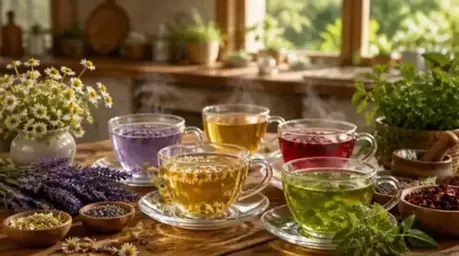
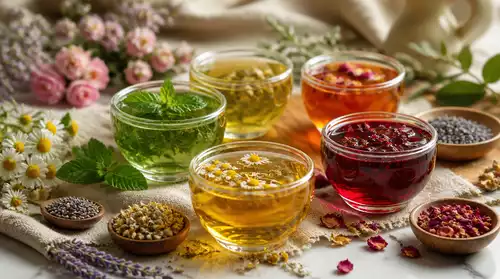
Floral herbal teas not only soothe the senses but also create a pathway to tranquility and renewal in our hectic lives. The ancient practice of enjoying these blends can elevate your well-being, invite mindfulness, and support your health journey. What if each cup could be a moment of peace?
What You Will Learn
- Floral herbal teas serve various wellness functions, including stress relief, digestion support, and emotional balance.
- Different blends can promote relaxation or renewal, with specific herbs like chamomile and hibiscus tailored to meet distinct needs.
- Common ingredients like lavender and passionflower are renowned for their calming and restorative properties, making them ideal for stress relief.
- Creating a tea ritual can enhance mindfulness and well-being, encouraging you to take intentional moments for self-care.
- Herbal teas can be a delicious way to stay hydrated while providing essential nutrients that support overall health.
- Incorporating caffeine-free teas like chamomile and linden into your evening routine can promote better sleep and relaxation.
The Benefits of Floral Herbal Teas
Explore the various benefits of incorporating floral herbal teas into your wellness journey below:
1. Stress Relief
Calm the mind and body with soothing blends.
2. Enhancing Mood
Uplifting flavors can elevate your spirits.
3. Promoting Sleep
Certain teas are excellent for winding down.
4. Encouraging Hydration
A delicious way to stay hydrated!
5. Emotional Balance
Ingredients like rose tea uplift your mood.
Understanding Floral Herbal Teas for Relaxation and Renewal
Floral herbal teas are more than just flavorful beverages; they are a pathway to achieving balance and tranquility. As someone deeply involved in the world of Traditional Chinese Medicine at Daily Qi Ritual, I find immense joy in exploring how these teas can foster both relaxation and renewal in our busy lives. By embracing the soothing qualities of floral herbs, we can cultivate a moment of peace amidst the chaos.
At the heart of these herbal blends lies the ability to connect our mind and body, offering an inviting retreat from everyday stressors. Whether you're seeking a moment of calm after a hectic day or a gentle boost of energy, floral teas can be tailored to meet your needs. Let’s delve into the remarkable role of herbal teas in traditional Chinese medicine in enhancing our wellness journey.
The Role of Herbal Teas in Wellness
Herbal teas have been cherished for centuries in various cultures for their medicinal properties and calming effects. They play a significant role in wellness, serving various functions, such as promoting relaxation, aiding digestion, and enhancing emotional balance. This ancient wisdom aligns beautifully with the mission of Daily Qi Ritual to empower individuals in their holistic health journeys.
Integrating floral herbal teas into your daily routine not only supports your physical health but also encourages a sense of mindfulness. By taking time to prepare and enjoy a warm cup, you create a small ritual that honors your well-being. Here are some key benefits of incorporating herbal teas into your lifestyle:
- Stress Relief: Calm the mind and body with soothing blends.
- Enhancing Mood: Uplifting flavors can elevate your spirits.
- Promoting Sleep: Certain teas are excellent for winding down.
- Encouraging Hydration: A delicious way to stay hydrated!
Defining Relaxation and Renewal through Herbal Blends
When we speak of relaxation and renewal, it’s essential to understand how specific herbal blends can help us achieve these states. Relaxation often involves calming the nervous system and quieting the mind, while renewal is about revitalizing our energy and spirit. Choosing the right blend can significantly impact your experience.
For example, a blend featuring chamomile and lavender can work wonders for relaxation, while a revitalizing mix of hibiscus and lemon balm might assist in renewal. By understanding your personal needs, you can select teas that resonate with your desired state of being. What blends are you curious about? Let’s continue to explore together!
Common Ingredients in Floral Herbal Teas
Many vibrant floral ingredients can be found in herbal teas, each offering unique benefits and flavors. Knowing these components can help you choose the perfect tea for your needs. Below is a list of common ingredients and what they bring to the table:
- Chamomile: The classic relaxant known for its calming properties.
- Lavender: Renowned for its aromatic soothing effects.
- Lemon Balm: Offers an uplifting calm that brightens your day.
- Passionflower: Valued for its stress relief properties.
- Linden and Valerian Root: Evening allies that help with sleep.
- Rose: Acts as a floral elixir for emotional balance.
- Hibiscus: Provides a tart flavor along with antioxidant benefits.
- Jasmine: Enhances relaxation through its delightful fragrance.
- Holy Basil: Offers adaptogenic support for stress management.
Each of these ingredients brings its own character and charm, inviting you to explore the world of floral herbal teas further. As you sip on these delightful brews, take a moment to savor the flavors and reflect on how they make you feel. Let’s embrace this journey of relaxation and renewal together! You might also find our article on mindfulness in everyday life helpful in enhancing your tea rituals.
Pro Tip
When preparing your floral herbal tea, consider using loose leaf instead of tea bags. Loose leaf tea often contains higher quality ingredients, providing a richer flavor and more therapeutic benefits. Additionally, steeping the tea for the recommended time allows the full range of flavors and properties to be released, enhancing your relaxation experience.
Frequently Asked Questions about Floral Herbal Teas
Floral herbal teas have become quite popular for their delightful flavors and soothing properties! You might have some questions about how to choose the best ones for relaxation, stress relief, and overall wellness. Let’s dive into these common questions and help you navigate the wonderful world of floral herbal teas.
Which Floral Herbal Tea is Best for Relaxation?
When it comes to relaxation, several floral herbal teas stand out for their calming effects. One of my personal favorites is chamomile tea, known for its gentle soothing properties. Other great options include lavender and passionflower, which create a tranquil experience perfect for winding down.
- Chamomile: Helps ease anxiety and promotes sleep.
- Lavender: Offers a fragrant aroma that calms the mind.
- Passionflower: Supports relaxation and reduces nervousness.
These teas can be enjoyed in the evening or whenever you need a moment of peace. What’s your favorite go-to tea for relaxation?
How Do I Choose a Caffeine-Free Evening Tea?
Choosing a caffeine-free tea for the evening is essential for restful sleep. Many floral herbal teas are naturally caffeine-free, allowing you to enjoy a soothing cup without any jitters. Look for teas with ingredients like chamomile, linden, or hibiscus to ensure a peaceful night.
- Chamomile: Perfect for its calming effects.
- Linden: Known for its ability to promote relaxation.
- Hibiscus: Offers a tart flavor, rich in antioxidants.
These delicious options will help you unwind at the end of a long day.
What are the Benefits of Herbal Teas for Stress Relief?
Floral herbal teas are more than just a delightful treat; they also offer numerous benefits for stress relief. They can help lower anxiety levels, promote a sense of calm, and improve overall well-being. Incorporating these herbal teas into your daily routine can create a soothing ritual that fosters relaxation.
- Natural Calm: Ingredients like lavender and valerian root calm the nervous system.
- Emotional Balance: Rose tea helps uplift your mood.
- Digestive Support: Ginger and peppermint ease stomach tension.
These teas are a wonderful way to nurture your body and mind, creating a sense of balance in your life.
Can Herbal Teas Aid in Detox and Natural Healing?
Absolutely! Many herbal teas have detoxifying properties that can support your body's natural healing processes. For instance, teas made from green tea, ginger, and peppermint are known for promoting digestion and detoxification.
- Green Tea: Rich in antioxidants, supporting overall health.
- Ginger: Aids digestion and reduces inflammation.
- Peppermint: Helps ease digestive discomfort and promotes relaxation.
Integrating these herbal teas into your routine can be a lovely way to support your body's natural rhythms. Have you tried any detox teas before?
Summarizing the Benefits of Floral Herbal Teas
In summary, floral herbal teas offer a delightful way to enhance your wellness journey! They provide relaxation, stress relief, and even support detoxification. As you explore different blends, remember that each cup holds the potential for a moment of mindfulness.
Integrating Herbal Teas into Your Daily Routine
Bringing herbal teas into your daily routine can truly transform your approach to wellness. You might start each day with a refreshing cup of lemon balm to uplift your spirits or unwind in the evening with a calming chamomile blend. Establishing a ritual not only enhances your enjoyment but also encourages mindfulness.
- Try sipping tea during your morning routine.
- Take a moment in the afternoon to pause and reset with a cup.
- End your day with a relaxing blend to ease your mind.
These small adjustments can lead to significant improvements in your well-being! For more ideas, explore our article on herbal teas for daily wellness.
Encouraging Mindfulness and Well-Being through Tea Rituals
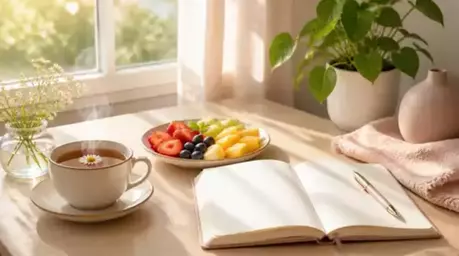
Creating tea rituals is a beautiful way to connect with yourself and the world around you. Whether you’re enjoying a cup alone or sharing with friends, these moments can foster a sense of community and personal reflection. Consider adding a few mindful practices, such as breathing exercises or journaling, while you sip your tea.
- Set an intention for your tea time.
- Take deep breaths and savor the aroma.
- Reflect on your day and express gratitude.
Embracing these practices can deepen your experience and enhance your overall well-being!
The Role of Herbal Tinctures and Oils in Wellness
In addition to floral herbal teas, herbal tinctures and essential oils can complement your wellness journey. They can be incorporated into your daily rituals for added benefits, such as stress relief or immune support. Have you considered integrating these into your routine? You can learn more about holistic practices in our article on understanding acupuncture: what to expect.
Inviting Readers to Share Their Floral Herbal Tea Experience
I’d love to hear your experiences with floral herbal teas! Have you found any blends that resonate with you or rituals that enhance your tea time? Sharing your thoughts can inspire others in our community to explore and embrace these wonderful practices.
Encouraging Comments and Testimonials
Feel free to drop a comment below and share your favorite floral herbal teas or any tips you have for integrating them into daily life. Your insights could be a guiding light for someone else on their journey to wellness!
Linking to Resources and Recommended Blends
If you’re looking for some recommended blends, check out our website, Daily Qi Ritual! We have a variety of herbal teas curated to support your relaxation and renewal. Let’s embark on this journey of wellness together!
Recap of Key Points
Here is a quick recap of the important points discussed in the article:
- Stress Relief: Floral herbal teas like chamomile, lavender, and passionflower are excellent for calming the mind and reducing anxiety.
- Enhancing Mood: Uplifting flavors found in floral teas can elevate your spirits and improve emotional balance.
- Promoting Sleep: Teas such as chamomile and linden are beneficial for winding down and ensuring restful sleep.
- Encouraging Hydration: Herbal teas offer a flavorful way to stay hydrated throughout the day.
- Mindfulness Ritual: Incorporating tea rituals into your routine encourages mindfulness and enhances overall well-being.
- Detox Support: Some herbal teas, like ginger and peppermint, aid in digestion and support detoxification processes.