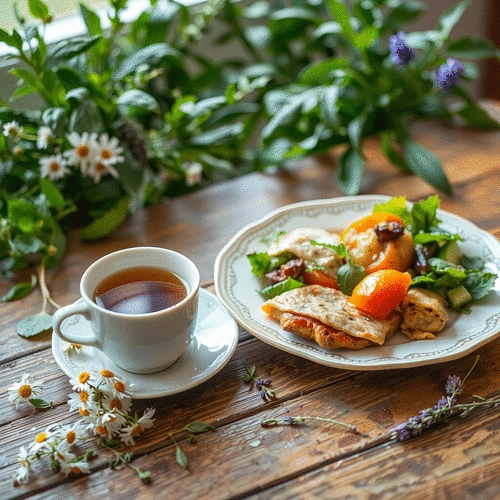
Have you ever experienced a meal that felt like a complete symphony for your taste buds? The right combination of food and tea can create that experience, harmonizing flavors in a way that elevates your culinary journey. Let’s explore the art of pairing, where each sip enhances your dining enjoyment and supports your well-being.
What You Will Learn
- Understanding the principles of complementary and contrast flavors can transform your meals.
- Tea pairing is not just about flavor; it enhances the health benefits of your food.
- Familiarizing yourself with flavor profiles, such as sweetness and earthiness, is key to successful tea pairings.
- Experimentation in the kitchen can lead to delightful and surprising tea and food combinations.
- Cultural traditions often offer valuable insights into effective tea pairings.
- Engaging with herbal teas allows you to embrace the principles of Traditional Chinese Medicine (TCM) for holistic well-being.
Principles of Pairing: Complementary vs Contrast Flavors
Understanding how different flavors interact with tea and food can enhance your culinary experiences, focusing on complementary and contrast pairings. For more insights into how mindfulness can enhance daily experiences, consider exploring mindfulness in everyday life.
Complementary Pairings
- Sweetness: Sweet teas with spicy dishes.
- Earthiness: Earthy teas with grains.
- Highlight Ingredients: Earthy teas enhance root vegetables.
Contrast Pairings
- Astringent Teas: Cut through rich dishes.
- Bitterness: Bitter teas with creamy foods.
- Spicy Chai: Adds warmth to savory dishes.
Flavor Profiles
- Fruity Teas: Pair with rich desserts.
- Spicy Teas: Complement savory meals.
Experimenting with Pairings
- Try new combinations weekly.
- Host tea tasting sessions.
- Record favorite pairings.
The Principles of Pairing: Understanding Complementary and Contrast Flavors
Have you ever wondered how some food and tea combinations seem to dance together perfectly? The art of pairing tea with meals is all about understanding the principles of complementary and contrast flavors. It's like conducting a symphony where each note enhances the others, creating a delightful experience for our taste buds. As we explore this fascinating world of flavor pairing, let’s learn how different teas can elevate our meals and enhance our overall well-being.
At Daily Qi Ritual, we believe that mindful eating goes hand in hand with mindful drinking. By thoughtfully pairing herbal teas with our meals, we can truly embody the principles of Traditional Chinese Medicine (TCM) while enjoying a sensory feast. So let’s dive in and discover how to harmonize your meals with the perfect cups of tea!
Introduction to Tea Pairing with Meals
Tea pairing is more than simply choosing a beverage to sip while dining; it's about creating a complete culinary experience. When we pair tea with food, we can highlight flavors, balance out richness, and even enhance the health benefits of our meals. This connection between food and tea can lead us to a deeper appreciation for what we consume and how it affects our bodies. To understand more about the role of tea in holistic health, explore herbal teas in Traditional Chinese Medicine.
In TCM, every food and drink has unique properties that influence our health and energy levels. By understanding how to pair tea with meals, we can not only satisfy our taste buds but also nurture our bodies. Imagine sipping a calming cup of chamomile with a light salad—how refreshing and rejuvenating that can be!
- Balance flavors: Astringent teas can cut through rich dishes.
- Highlight ingredients: Earthy teas can enhance the taste of root vegetables.
- Support digestion: Some teas, like peppermint, can aid digestion after a heavy meal.
Importance of Flavor Profiles: How to Match Tea with Food
Understanding flavor profiles is key to mastering the art of tea pairing. Each tea carries distinctive notes that can either complement or contrast with the food on your plate. For instance, a fruity tea can ease the heaviness of a rich dessert, while a spicy chai can add warmth to a savory dish.
When considering your options, think about the following aspects of flavor profiles:
- Sweetness: Pair sweet teas with spicy or savory dishes.
- Bitterness: Contrast bitter teas with creamy foods.
- Earthiness: Match earthy teas with grains and legumes.
By being mindful of these aspects, you can elevate your meals and make every bite an experience worth savoring. What combinations resonate with you? Perhaps a warming ginger tea with a hearty stir-fry?
Exploring Culinary Pairings: Tea and Food Dynamics
The dynamic between tea and food can create an exciting interplay of flavors. It's essential to experiment and discover what works best for your palate. For instance, light herbal teas like jasmine can complement delicate seafood dishes, while robust teas like pu-erh pair beautifully with grilled meats. For those interested in daily health, learning about herbal teas for daily wellness can provide additional insights.
Here are some tips to consider when exploring culinary pairings:
- Consider the meal's texture: Creamy foods go well with lighter teas.
- Embrace cultural traditions: Many cuisines have established tea pairings.
- Use your senses: Let aroma and visual appeal guide your choices!
Ultimately, the goal is to create a harmonious dining experience that nourishes both body and mind. So why not gather your favorite herbal teas and start experimenting? The world of flavors awaits!
Pro Tip
When experimenting with tea pairings, consider serving your tea at different temperatures. For instance, lighter teas like green tea can be enjoyed at lower temperatures to enhance their delicate flavors, while robust black teas shine when brewed hot. This simple adjustment can elevate your dining experience by allowing the full spectrum of flavors to emerge!
Frequently Asked Questions About Tea and Food Pairing
- Q: What are complementary flavors in tea pairing?
- A: Complementary flavors are those that share similar notes, enhancing each other. For example, earthy teas pair well with grains, and sweet teas can complement spicy dishes.
- Q: How do contrast flavors work in tea pairing?
- A: Contrast flavors create balance by offering opposing characteristics. Astringent teas can cut through rich dishes, and bitter teas can balance creamy foods.
- Q: Why is understanding flavor profiles important for tea pairing?
- A: Understanding flavor profiles (sweetness, bitterness, earthiness, fruitiness, spiciness) allows you to intentionally match tea with food to either complement or contrast, creating a more harmonious culinary experience.
- Q: Can tea pairing enhance the health benefits of a meal?
- A: Yes, certain teas can support digestion (like peppermint after a heavy meal) or offer specific properties that align with the health benefits of the food, especially when considering principles of Traditional Chinese Medicine.
- Q: How can I start experimenting with tea pairings?
- A: Begin by trying new combinations weekly, hosting tea tasting sessions with friends, and keeping a journal of your favorite pairings. Consider factors like the meal's texture and cultural traditions for inspiration.
Concluding Thoughts on the Art of Herbal Tea Pairing
As we come to the end of our exploration into the world of herbal tea pairing, let’s take a moment to recap some key principles and recommendations that can elevate your culinary experiences. Understanding the dynamics of complementary and contrasting flavors is essential when matching herbal teas with meals. This knowledge not only enriches your palate but also enhances the overall dining experience. Remember, the right tea can effortlessly transform a meal into a delightful journey of flavors!
Pairing herbal teas with food isn't just about taste; it's also about creating a harmonious experience that engages all your senses. For instance, consider how chamomile’s soothing properties can complement a light chicken salad, or how peppermint can invigorate a rich dessert. Each tea holds its unique personality, and it’s about discovering which ones resonate with your meals. Embrace these pairing principles to create memorable moments around the table.
Encouragement to Experiment with Herbal Teas in Everyday Meals
Now that you're equipped with a wealth of knowledge about herbal tea pairings, I invite you to experiment in your own kitchen! Explore the vast array of herbal teas available at Daily Qi Ritual and think about how you can incorporate them into your everyday meals. It’s all about letting your creativity shine! You might even discover surprising combinations that elevate your dishes to new heights.
Here are a few ways to kickstart your herbal tea exploration:
- Try a different herbal tea each week to see which flavors enhance your favorite dishes.
- Host a tea and food tasting with friends to share your discoveries.
- Keep a journal of your favorite pairings and the experiences they evoke.
By engaging with herbal teas in this way, you’ll not only enjoy their flavors but also embrace the principles of Traditional Chinese Medicine that guide us toward holistic well-being. Let’s make tea pairing a delightful part of our daily rituals!
Call to Action: Start Your Tea Pairing Journey Today
Explore Our Selection of Herbal Teas
If you're ready to embark on your tea pairing journey, visit Daily Qi Ritual to explore our selection of carefully curated herbal teas. Each blend is crafted to help you connect with the rich traditions of TCM while enjoying delicious flavors. You deserve to savor every sip!
Share Your Favorite Pairings and Recipes
Have you discovered a fantastic herbal tea pairing or a new recipe that inspired you? I would love to hear from you! Share your experiences in the comments or reach out through our social media channels. Together, we can build a vibrant community that celebrates the joy of herbal tea and its beautiful pairings with food!
Recap of Key Points
Here is a quick recap of the important points discussed in the article:
- Pairing tea with meals enhances flavors and balances richness, creating a complete culinary experience.
- Understanding flavor profiles is essential; consider sweetness, bitterness, and earthiness when choosing tea.
- Experiment with different tea and food combinations to discover what works best for your palate.
- Embrace cultural traditions and let your senses guide you in finding perfect pairings.
- Engage with herbal teas daily to explore their flavors and health benefits, enhancing your overall well-being.