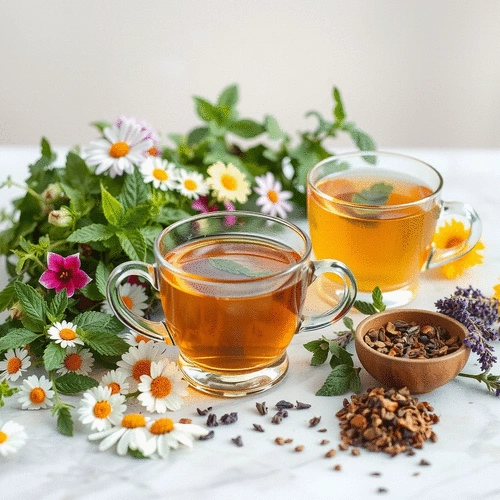
Did you know that the simple act of sipping herbal tea can improve your skin's radiance? Packed with antioxidants and anti-inflammatory properties, herbal teas are a delightful way to nurture your skin from the inside out. Let’s explore the powerful benefits of these brews for achieving a natural glow!
What You Will Learn
- Herbal teas are rich in antioxidants that help combat free radicals and reduce signs of aging.
- Regular consumption of herbal teas can hydrate the body and support skin rejuvenation.
- Specific teas like chamomile and green tea can effectively target common skin concerns such as acne and inflammation.
- Creating personalized herbal tea blends can enhance skin health by combining the unique benefits of different ingredients.
- It's essential to consider your skin type when selecting herbal teas, as each type addresses specific issues.
- Herbal teas promote skin health from the inside out and can complement topical treatments for a holistic skincare approach.
Herbal Teas for Common Skin Concerns
The following herbal teas can help address various skin issues with their unique properties:
Chamomile Tea
Calms irritated skin and reduces redness.
Green Tea
Rich in antioxidants, promotes collagen production.
Spearmint Tea
Reduces hormonal fluctuations that trigger acne.
Hibiscus Tea
Helps tighten skin and improve elasticity.
Rooibos Tea
Balances hormones and reduces skin irritation.
Unveiling the Secrets of Herbal Teas for Skin Health and Beauty
Have you ever wondered how the simple act of sipping a warm cup of herbal tea can enhance your skin's radiance? Herbal teas are not just delightful beverages; they are packed with antioxidants and anti-inflammatory properties that can significantly contribute to overall skin health. By incorporating these teas into our daily routines, we can nurture our skin from the inside out, fostering a natural glow that reflects our well-being!
Antioxidants found in herbal teas help combat free radicals, reducing oxidative stress that can lead to premature aging. Additionally, the anti-inflammatory properties can soothe irritated skin, making herbal teas a must-have in any skincare toolbox. Imagine replacing your afternoon coffee with a calming cup of chamomile or a refreshing brew of green tea; your skin might thank you for it! You can explore more about mindful living and its benefits in mindfulness in everyday life.
The Connection Between Herbal Teas and Radiant Skin
Drinking herbal teas regularly can create a profound connection between your inner health and your outer beauty. These teas work to hydrate the body and support skin rejuvenation through various beneficial compounds. For instance, the polyphenols in green tea not only boost your skin's defenses but also aid in reducing redness and irritation.
Moreover, the warmth of these teas encourages circulation, which helps deliver essential nutrients to your skin. This might be the reason why after a cozy tea session, you often notice a brighter, more vibrant complexion! So, let’s explore how these herbal wonders can address common skin concerns.
Addressing Common Skin Concerns with Herbal Teas
Herbal teas can effectively help with various skin issues we all face, such as:
- Acne: Certain teas like spearmint can reduce hormonal fluctuations that trigger breakouts.
- Aging: Antioxidant-rich teas like green tea help combat signs of aging by promoting collagen production.
- Inflammation: Calming teas, such as chamomile, can soothe irritated skin and reduce redness.
By choosing the right herbal teas, we can address these concerns holistically. Each sip not only nourishes our body but also contributes to achieving that coveted healthy glow. It’s amazing how nature offers us such simple solutions! For those interested in a comprehensive approach to wellness, understanding what to expect from acupuncture can provide additional insights into holistic health practices.
Herbal Teas Benefiting Skin Health
Now, let's dive deeper into some specific herbal teas that can work wonders for your skin:
- Chamomile Tea – The Calming Skin Soother
- Green Tea – The Antioxidant Powerhouse
- Rooibos Tea – The Hormonal Balancer
- Hibiscus Tea – The Natural Skin Tightener
- Spearmint Tea – The Acne Fighter
- Peppermint Tea – The Refreshing Skin Booster
- Calendula Tea – The Skin Healer
- Dandelion Tea – The Detoxifying Agent
Each of these herbal teas offers unique benefits that can enhance your skin health, making it easier to address specific concerns naturally. At Daily Qi Ritual, we believe in harnessing the power of these natural remedies to foster a holistic approach to beauty and well-being!
Pro Tip
To maximize the benefits of your herbal teas, consider brewing them with filtered water at the right temperature. For delicate herbs like chamomile, steep at around 200°F (93°C) for 5-7 minutes. For robust teas like green tea, use slightly cooler water at about 175°F (80°C) for 2-3 minutes. This ensures you extract the optimal flavor and health benefits without bitterness!
Practical Considerations for Using Herbal Teas
When diving into the world of herbal teas, it’s essential to consider both the benefits and potential pitfalls. While many people enjoy the flavors and health advantages, some may experience side effects or have specific conditions that necessitate caution. Understanding how to use herbal teas wisely is key to making the most of their soothing powers.
Some herbs can interact with medications or exacerbate existing health issues. For instance, if you’re pregnant, breastfeeding, or taking blood thinners, certain herbal teas might not be suitable for you. It’s always wise to consult with a healthcare provider before incorporating new teas into your routine. Here are a few teas to be cautious about:
- Chamomile - May cause allergic reactions in people sensitive to plants in the daisy family.
- Spearmint - Should be avoided by those taking medications for hormone-sensitive conditions.
- Rooibos - While generally safe, it might affect hormone levels, so those with hormone-driven health issues should consult a professional.
Herbal Tea vs. Topical Treatments: A Comparative Look
When considering ways to support skin health, it’s natural to wonder about the differences between herbal teas and topical treatments. Both methods have their unique advantages and can actually complement each other beautifully! Drinking herbal teas nourishes the body from within, while topical treatments work directly on the surface.
Here’s a quick comparison of the two approaches:
- Herbal Teas: Promote skin health from the inside out, offering benefits such as hydration and antioxidant support.
- Topical Treatments: Target specific skin concerns, providing immediate relief for issues like dryness or irritation.
- Synergy: Combining both methods can enhance overall results, leading to a more comprehensive approach to skincare.
Integrating Herbal Teas into Your Skincare Routine
Recipes for Herbal Tea Blends for Skin Health
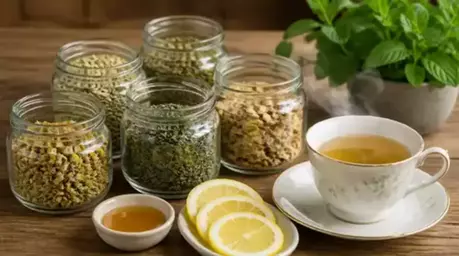
Creating your own herbal tea blends can be a delightful way to enhance skin health! At Daily Qi Ritual, I enjoy experimenting with different combinations to maximize the benefits. Here are a few simple recipes to get you started:
- Soothing Chamomile Blend: 1 part chamomile, 1 part calendula, and 1 part peppermint. Perfect for calming sensitive skin!
- Antioxidant Green Tea Blend: 2 parts green tea, 1 part hibiscus, and a splash of lemon. A refreshing way to boost collagen production!
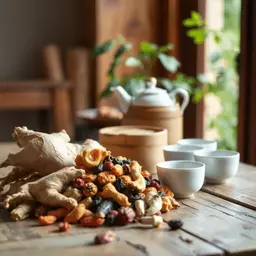
- Detoxifying Dandelion Brew: 1 part dandelion, 1 part rooibos, and a touch of ginger. Great for skin clarity and balance. You can learn more about natural detox with herbal teas for additional insights.
Personalization: Choosing Teas Based on Skin Type
When selecting herbal teas, it’s vital to consider your individual skin type and concerns. Each tea offers unique properties that can help you achieve your skincare goals. Here’s a quick guide to help you make the right choice:
- Sensitive Skin: Opt for chamomile or calendula.
- Oily Skin: Green tea and peppermint are excellent for balancing oil production.
- Acne-Prone Skin: Spearmint tea works wonders for hormonal acne.
- Aging Skin: Hibiscus and rooibos can support elasticity and hydration.
Turmeric Tea – The Anti-Inflammatory Powerhouse
Another fantastic herbal tea to consider is turmeric tea. Known for its golden hue, turmeric possesses remarkable anti-inflammatory properties that can help combat skin issues. Incorporating turmeric tea into your routine could lead to a beautiful, glowing complexion.
For an extra kick, try adding a dash of black pepper to your turmeric tea. This enhances the absorption of curcumin, the active compound in turmeric, providing even more benefits for your skin! Discover how different cultures incorporate these beneficial brews in herbal teas in Chinese medicine.
Engaging Readers and Encouraging Action
Sharing Your Herbal Tea Journey: User Testimonials and Experiences
I encourage you to share your experiences with herbal teas and how they have impacted your skin health! Have you discovered a blend that works for you? What transformations have you noticed? Your stories could inspire others on their own journeys towards radiant skin.
Conclusion: Embrace Herbal Teas for Glow and Health
As we wrap up our exploration of herbal teas and their benefits for skin health, I hope you feel inspired to integrate these natural wonders into your daily routine. From soothing chamomile to the vibrant benefits of turmeric, there’s a world of possibilities waiting for you!
Why not try a few of the recommended herbal teas and see how they can enhance your glow? Share your findings and experiences with us at Daily Qi Ritual. Together, let’s embrace the beauty of herbal teas and cultivate a harmonious journey towards wellness!
Frequently Asked Questions (FAQs)
- What are the primary benefits of herbal teas for skin health?
- Herbal teas are rich in antioxidants and anti-inflammatory properties that help combat free radicals, reduce oxidative stress, and soothe irritated skin, contributing to a natural glow and overall skin health.
- Which herbal teas are best for acne-prone skin?
- Spearmint tea is particularly effective for acne-prone skin as it can help reduce hormonal fluctuations that trigger breakouts.
- Can herbal teas help with anti-aging?
- Yes, antioxidant-rich teas like green tea can help combat signs of aging by promoting collagen production, while hibiscus and rooibos can support elasticity and hydration.
- Are there any side effects to drinking herbal teas for skin?
- While generally safe, some herbal teas can cause allergic reactions (e.g., chamomile for those sensitive to daisy-family plants) or interact with medications (e.g., spearmint for hormone-sensitive conditions). It's always advisable to consult a healthcare provider, especially if you are pregnant, breastfeeding, or on medication.
- How do herbal teas work differently from topical skin treatments?
- Herbal teas nourish the skin from within, promoting hydration and providing antioxidant support throughout the body. Topical treatments work directly on the skin's surface, targeting specific concerns like dryness or irritation. Combining both methods can offer a more comprehensive approach to skincare.
Recap of Key Points
Here is a quick recap of the important points discussed in the article:
- Herbal teas are rich in antioxidants and anti-inflammatory properties that enhance skin health.
- Regular consumption of herbal teas can support skin hydration and rejuvenation, promoting a natural glow.
- Specific herbal teas like chamomile, green tea, and spearmint can address common skin concerns such as acne, aging, and inflammation.
- Creating personalized herbal tea blends tailored to your skin type can maximize benefits.
- It’s essential to consult a healthcare provider before incorporating herbal teas into your routine, especially if you have existing health conditions.
- Combining herbal teas with topical treatments can enhance overall skincare results for a comprehensive approach.