
As we navigate the complexities of modern health, have you considered the timeless wisdom of herbal remedies? With roots that stretch back centuries, these natural solutions provide a holistic approach to wellness, often addressing the very causes of ailments rather than merely masking symptoms. Let’s delve into the essential insights that can empower your journey toward better health.
What You Will Learn
- Natural Ingredients: Herbal remedies provide a plant-based alternative to synthetic medications, appealing to those seeking natural solutions.
- Holistic Approach: These remedies focus on overall wellness, addressing root causes instead of just alleviating symptoms.
- Specific Remedies for Common Ailments: Discover how herbs like ginger, chamomile, and turmeric can be effective for issues such as digestion and stress relief.
- Potential Risks: Awareness of side effects and herb-drug interactions is crucial for safe usage of herbal treatments.
- Customizable Options: A diverse range of herbs allows for personalized remedies tailored to individual health needs.
- Informed Choices: Continuous learning and engagement with trusted resources and communities can enhance your understanding of herbal medicine.
Herbal Remedies vs Conventional Treatments
Exploring the differences in approaches, ingredients, and usage duration between herbal medicine and conventional treatments. For a deeper understanding of holistic health practices, you might find our article on understanding acupuncture particularly insightful.
Herbal Medicine
- Approach: Focuses on balance and holistic wellness.
- Ingredients: Plant-based, derived from nature.
- Duration of Use: Suitable for long-term use.
Conventional Treatments
- Approach: Prioritizes symptoms relief.
- Ingredients: Often synthetic substances.
- Duration of Use: Some have restrictions on long-term use.
Understanding Herbal Remedies and Their Role in Natural Healing
Herbal remedies have been used for centuries as a part of holistic healing practices. At Daily Qi Ritual, we believe in the power of nature to support our well-being. By integrating traditional knowledge with modern practices, we can truly experience the benefits of herbal medicine.
Herbal medicine, often referred to as herbalism, involves using plants or plant extracts for medicinal purposes. Some benefits of herbal medicine include:
- Natural Ingredients: Herbal remedies are derived from plants, making them a more natural alternative to synthetic medications.
- Holistic Approach: They often consider the whole person, not just the symptoms, promoting overall health.
- Fewer Side Effects: Many herbal treatments have fewer side effects compared to conventional medications.
Defining Herbal Medicine and Its Benefits
Herbal medicine encompasses a variety of practices, including the use of herbs, roots, and flowers to create remedies. By understanding how these compounds interact with our bodies, we can use them to address various ailments. For instance, herbal medicine can help with digestion, stress relief, and immune support. To learn more about effective digestive support, explore our digestive herbal tea recipes.
To illustrate, here are some common ailments and the herbal remedies that may help:
- Digestive Issues: Peppermint tea can soothe an upset stomach.
- Stress and Anxiety: Chamomile is known for its calming effects.
- Cold Symptoms: Elderberry can boost the immune system.
Overview of Herbal Remedies for Common Ailments
At Daily Qi Ritual, we often emphasize the importance of knowing which herbs can provide relief for everyday ailments. For example, if you're struggling with headaches, ginger can be a fantastic choice. Not only does it provide relief, but it also supports digestive health, making it a double win!
Other common herbal remedies include:
- Turmeric: Known for its anti-inflammatory properties.
- Lavender: A natural remedy for stress and sleep issues.
- Garlic: Great for boosting immunity and heart health.
Comparison of Herbal Medicine to Conventional Treatments
While conventional medicine often focuses on treating symptoms, herbal medicine aims to address the root causes of health issues. For example, instead of merely dulling pain with over-the-counter medications, we can use herbs to promote healing and balance. This holistic approach resonates deeply with our mission at Daily Qi Ritual.
Consider these differences:
- Approach: Herbal medicine focuses on balance, while conventional methods may prioritize symptom relief.
- Ingredients: Herbal remedies are plant-based, whereas conventional treatments often use synthetic substances.
- Duration of Use: Herbal remedies can often be used long-term, while some pharmaceuticals may have restrictions.
Popular Herbal Teas and Their Applications
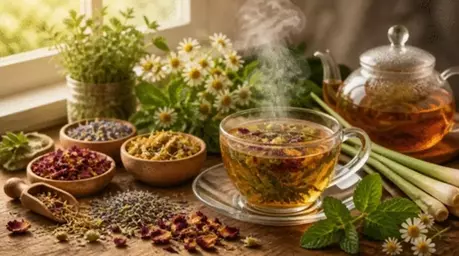
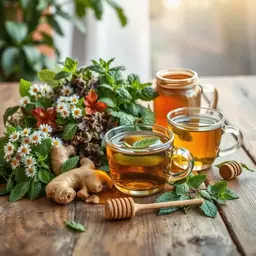
Herbal teas are a wonderful and accessible way to enjoy the benefits of herbal remedies. At Daily Qi Ritual, I often recommend incorporating herbal teas into your daily routine. Not only do they taste great, but they also offer specific health benefits!
Here are some popular herbal teas and how they can be applied:
- Chamomile: Known for its calming effects, making it perfect for bedtime.
- Peppermint: Excellent for digestion and refreshing the palate.
- Ginger: Offers anti-inflammatory properties and can help with nausea.
- Turmeric: A powerhouse for inflammation, often paired with black pepper for better absorption.
Benefits of Chamomile and Peppermint Teas
Chamomile tea is a beloved choice for promoting restful sleep and alleviating anxiety. When I sip on this fragrant tea, I can almost feel the day’s stresses melting away! On the other hand, peppermint tea is invigorating and can soothe an upset stomach, making it a great after-meal beverage.
Some benefits of these teas include:
- Chamomile: Helps improve sleep quality and reduce anxiety.
- Peppermint: Aids in digestion and can provide relief from headaches.
Utilizing Ginger and Turmeric in Herbal Teas
Ginger and turmeric are not only delicious additions to your herbal tea but also powerful allies for your health. Ginger can help ease nausea and improve circulation, making it a fantastic choice during flu season. Meanwhile, turmeric offers remarkable anti-inflammatory benefits, making it a staple in herbal wellness.
Here’s how to introduce these herbs into your tea:
- Ginger Tea: A simple infusion of fresh ginger slices in hot water can work wonders!
- Turmeric Tea: Combine turmeric powder with lemon juice and honey for a zesty drink.
Quick Summary
Here's a brief recap of the key points discussed so far:
- Herbal remedies are natural alternatives that support holistic health.
- Common herbal treatments can address various ailments like digestion and stress relief.
- It’s essential to balance the benefits of herbal medicine with potential risks and interactions with other medications.
Summarizing the Benefits and Risks of Herbal Remedies
As we explore the world of herbal remedies, it's crucial to recognize the balance between their remarkable benefits and potential risks. Many people turn to herbal treatments for a variety of reasons, including their natural origins and the belief in holistic healing. By understanding the efficacy of these remedies, we can make informed choices that promote our well-being.
Herbal remedies can be powerful allies in our health journeys. For example, they may enhance immunity, alleviate stress, or support digestion. However, as with any treatment, it's important to approach them with caution. Some herbs can interact with medications or may not be suitable for everyone. That's why I emphasize the importance of being informed and mindful in your herbal practices, especially as we embrace the principles shared at Daily Qi Ritual. You can also explore relaxing herbal teas for stress to complement your wellness routine.
Key Takeaways on the Efficacy of Herbal Treatments
So, what are the essential points to remember about herbal treatments? Let’s take a look at some key takeaways:
- Natural Origins: Herbal remedies are derived from plants, making them appealing to those who prefer natural solutions.
- Holistic Approach: They often focus on whole-body wellness, addressing root causes rather than just symptoms.
- Customizable Options: With a vast array of herbs, you can tailor remedies to suit your unique needs.
- Potential Risks: Awareness of possible side effects and interactions is vital for safe usage.
By keeping these takeaways in mind, we can better navigate the world of herbal remedies and incorporate them thoughtfully into our lives. A gentle reminder from my experiences at Daily Qi Ritual is that combining herbal treatments with conventional medicine is often the best approach. This balance can enhance your journey toward holistic health!
Balancing Natural Healing with Safety Considerations
The journey into herbal medicine is rewarding, but it’s essential to keep safety at the forefront. Each herb has its strengths, but not all are appropriate for every individual. That's why I recommend consulting with a healthcare provider to assess any potential contraindications before starting a new herbal regimen.
To help maintain this balance, consider these safety guidelines:
- Research the herbs you plan to use thoroughly.
- Start with small doses and observe how your body reacts.
- Keep track of any other medications you're taking.
- Consult with a practitioner experienced in herbal medicine.
Embracing herbal remedies can be a beautiful journey, but doing so safely ensures you're nurturing your body and mind. I often reflect on the harmony that herbal practices can bring, as emphasized in my work at Daily Qi Ritual.
Encouraging Informed Choices in Herbal Medicine
As we wrap up our exploration of herbal remedies, I want to encourage everyone to continue learning and engaging with this fascinating subject. Herbal medicine is a broad field, and there’s so much to discover! By seeking out reliable resources and connecting with others, you can deepen your understanding and make informed choices.
Further Reading and Resources for Exploring Herbal Remedies
To enhance your herbal journey, consider diving into these resources:
- Books on herbal medicine and traditional practices.
- Online forums or communities dedicated to herbalism.
- Workshops or webinars offered by herbal experts.
- Scientific articles that discuss recent research findings.
Engaging with these resources can provide valuable insights and inspire your own practices. At Daily Qi Ritual, I believe in the power of community, and sharing knowledge is a significant part of that! You might also find our guide on herbal teas in Traditional Chinese Medicine a valuable resource.
Engaging with Community and Expert Opinions
Connecting with others who share your interest in herbal remedies can be incredibly uplifting. Whether it's through local workshops, online forums, or social media groups, find a community that resonates with you. Sharing experiences, tips, and advice can create a supportive atmosphere for learning and growth.
Additionally, don't hesitate to seek out expert opinions. Many herbalists are eager to share their knowledge and guide newcomers on their journey. By tapping into these resources, you'll enrich your understanding of herbal medicine and feel empowered in your choices.
Call to Action: Share Your Herbal Journey or Questions
Now, I invite you to join the conversation! What has your experience been with herbal remedies? Have you discovered a particular herb that resonates with you? Feel free to share your journey or any questions you may have in the comments below. I love hearing from you and learning together!
Resources on Lesser-Known Herbs like Goldenseal and Dandelion
Lastly, don’t overlook the power of lesser-known herbs! Goldenseal and dandelion, for example, offer unique benefits that are sometimes overshadowed by more popular options. Here are a few fascinating facts:
- Goldenseal: Often used for its antibacterial properties, it can be helpful for digestive issues.
- Dandelion: A fantastic detoxifier and rich in vitamins, this herb is great for liver health.
Embrace the opportunities to learn about these and other herbs. They may just become your new favorites, enhancing your well-being in ways you hadn’t imagined! For everyday wellness, consider exploring our insights on herbal teas for daily wellness.
Recap of Key Points
Here is a quick recap of the important points discussed in the article:
- Natural Ingredients: Herbal remedies are derived from plants, offering a more natural alternative to synthetic medications.
- Holistic Approach: They address the whole person and focus on promoting overall health rather than just alleviating symptoms.
- Common Ailments: Specific herbs like peppermint, chamomile, and turmeric can effectively target various health issues such as digestive problems and stress relief.
- Safety Guidelines: It is crucial to research herbs, start with small doses, and consult healthcare providers to avoid potential risks and interactions with medications.
- Community Engagement: Learning and sharing experiences within herbal communities can enhance your knowledge and practice of herbal remedies.
Frequently Asked Questions About Herbal Remedies
- Q: What is the primary difference between herbal medicine and conventional treatments?
- A: Herbal medicine typically employs a holistic approach, focusing on the entire person and using plant-based ingredients to address root causes, while conventional treatments often prioritize symptom relief using synthetic substances.
- Q: Are herbal remedies safe for long-term use?
- A: Many herbal remedies are suitable for long-term use due to their natural composition. However, it's crucial to research specific herbs, start with small doses, and consult a healthcare professional, especially if you are taking other medications, to avoid potential interactions or contraindications.
- Q: Which herbal teas are recommended for stress relief and digestion?
- A: Chamomile tea is widely recognized for its calming properties and is excellent for stress and promoting restful sleep. Peppermint tea is highly effective for soothing an upset stomach and aiding digestion.
- Q: How can I ensure the safe use of herbal remedies?
- A: To ensure safe use, thoroughly research any herb before use, begin with small doses to observe your body's reaction, keep track of all other medications you are taking, and consult with a healthcare provider or an experienced herbal medicine practitioner.
- Q: Where can I find reliable resources and community support for learning about herbal medicine?
- A: You can find reliable information in books on herbal medicine, online forums, and communities dedicated to herbalism. Attending workshops or webinars led by herbal experts and engaging with scientific articles can also deepen your understanding. Connecting with local or online communities provides valuable shared experiences and advice.