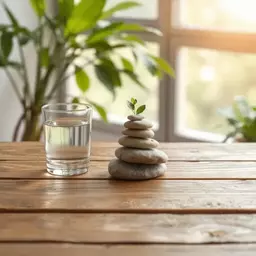
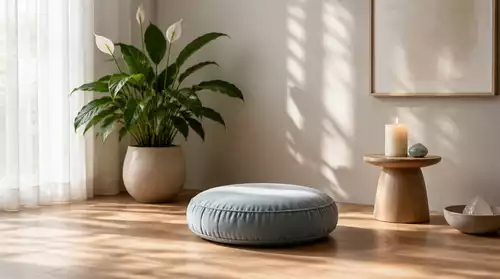
Creating a personal reflection space is more than just a trend; it’s a pathway to enhanced mindfulness and well-being. By cultivating a tranquil environment, you can improve your emotional health and reduce stress in your daily life. Let’s explore the key elements that will help you design your own peaceful sanctuary!
What You Will Learn
- Benefits of a Reflection Space: Establishing a dedicated area for daily reflection enhances mindfulness, reduces stress, and fosters habit formation.
- Ideal Location: Choose low-distraction areas like cozy corners, balconies, or spare rooms for your reflection space.
- Minimizing Distractions: A clutter-free environment is essential; keep surfaces clear and use calming colors to promote serenity.
- Incorporating Calming Elements: Soft lighting, essential oils, and comfortable textiles can significantly enhance your space's tranquility.
- Bringing Nature Inside: Adding plants and natural materials can ground you and amplify the peaceful atmosphere.
- Comfortable Seating Options: Choose supportive chairs and soft cushions to create an inviting and relaxing environment.
- Personal Touches: Incorporate meaningful items like journals, photos, and affirmation cards to make your space uniquely yours.
- Mindfulness Practices: Utilize your reflection space for yoga, meditation, and breathwork to deepen your connection to self.
- Creating a Routine: Establish daily habits around your reflection space to enhance consistency and commitment.
- Accessibility Considerations: Make your reflection space inclusive by addressing different sensory and mobility needs.
Benefits of a Personal Reflection Space
Creating a dedicated area for reflection offers several key advantages that enhance overall well-being.
Enhanced Mindfulness
Focusing in a dedicated space helps you align with your thoughts and feelings.
Stress Relief
A tranquil environment can lower anxiety and promote relaxation.
Habit Formation
Regular visits to your reflection space can establish a beneficial routine.
Designing Your Tranquil Retreat: A Guide to Creating a Peaceful Space for Daily Reflection
Creating a personal reflection space is not just about having a spot to sit quietly; it’s about cultivating a sanctuary for your mind and spirit. When we establish a dedicated area for reflection, we invite the potential for improved mindfulness, stress relief, and even habit formation into our lives. Imagine a place where you can escape the daily noise and reconnect with your inner self. That’s the magic of having a reflection space!
Understanding the Importance of a Reflection Space
The benefits of a personal reflection space extend far beyond mere aesthetics. When you create a space for daily reflection, you're fostering a routine that encourages mindfulness. This can lead to reduced stress levels and improved emotional health over time. Have you ever noticed how taking a moment for yourself can shift your entire day?
- Enhanced Mindfulness: Focusing in a dedicated space helps you align with your thoughts and feelings.
- Stress Relief: A tranquil environment can lower anxiety and promote relaxation.
- Habit Formation: Regular visits to your reflection space can establish a beneficial routine.
Choosing the Ideal Location for Your Mindfulness Space
Finding the right location in your home is crucial for your reflection space to be effective. The best spots are often low-distraction areas that invite calmness. Consider corners, balconies, or even spare rooms where you can escape from the hustle and bustle of daily life.
- Corners: Create a cozy nook with cushions and a soft blanket.
- Balconies: Utilize outdoor space to connect with nature.
- Spare Rooms: Transform underused rooms into serene retreats.
Reducing Distractions: Crafting Your Quiet Space
To fully immerse yourself in reflection, it’s essential to minimize distractions. A clutter-free environment can significantly enhance your experience. Start by decluttering your space and organizing items that make you feel good. For more tips on creating a serene atmosphere, consider exploring ways to calm your mind naturally.
- Clear Surfaces: Keep tables and shelves tidy to create an inviting atmosphere.
- Noise Control: Use soft fabrics or noise-canceling elements to reduce sound.
- Visual Calm: Choose soothing colors that promote a sense of peace.
Incorporating Calming Elements: Lighting, Scents, and Textiles
In my journey with Daily Qi Ritual, I've discovered the powerful impact of sensory elements in creating tranquility. Incorporating soft lighting, calming scents, and comfortable textiles can transform your reflection space into a peaceful retreat. Think of how a warm glow from a lamp or the scent of essential oils can shift your mood!
- Soft Lighting: Use lamps or candles to create a gentle ambiance.
- Essential Oils: Diffuse lavender or chamomile for relaxation.
- Comfortable Textiles: Choose plush cushions and cozy throws to enhance comfort.
Integrating Nature: Bringing Natural Elements into Your Space
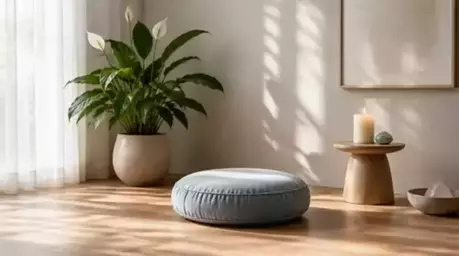
Nature has an incredible ability to ground us. When you bring natural elements into your reflection space, you amplify its serenity. Consider adding plants, using natural materials, and even playing nature sounds to enhance your experience.
- Plants: Incorporate greenery to purify the air and bring life to your space.
- Natural Materials: Use wood or stone elements for a grounded feel.
- Nature Sounds: Play soft music or nature sounds to calm the mind.
Choosing Comfort: Seating and Accessories for Reflection
Your reflection space should not only be beautiful but also inviting. Selecting comfortable seating and accessories is key to making your space supportive for daily practices. Think about what will make you feel at home in your tranquil retreat!
- Cushions: Soft cushions can provide comfort during meditation.
- Chairs: Choose a supportive chair that invites relaxation.
- Rugs: A plush rug can create a warm and cozy atmosphere.
Adding Personal Touches: Infusing Meaning into Your Space
Personalizing your reflection space can make it feel even more special. By incorporating items that hold meaning to you—like journals, photos, or affirmation cards—you create a space that resonates with your journey. What elements represent your unique story?
- Journals: Include a journal for your thoughts and reflections.
- Photos: Display images that inspire or bring joy.
- Affirmation Cards: Use these to encourage positive thinking.
Incorporating Mindfulness Practices: Yoga, Meditation, and Breathwork
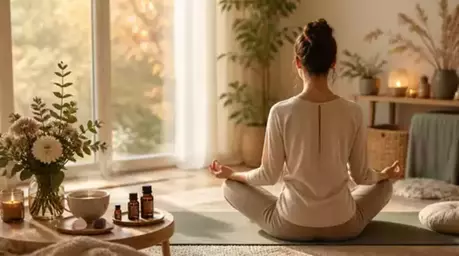
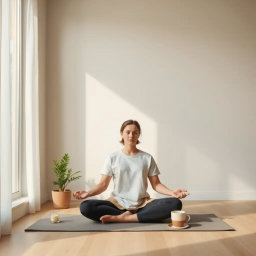
A reflection space is the perfect backdrop for mindfulness practices like yoga, meditation, and breathwork. Each of these practices can help deepen your connection to self and promote a sense of calm. Have you thought about how you might integrate these practices into your routine?
- Yoga: Use your space for gentle stretches and poses.
- Meditation: Dedicate time to quiet your mind and focus.
- Breathwork: Practice deep breathing exercises to relax.
Creating a Daily Reflection Routine: Habits for Consistency
Establishing a daily routine around your reflection space can amplify its benefits. Consider incorporating journaling, meditation, or prayer into your day-to-day life. Having a structured routine can help you stay committed to your practice and enhance your well-being over time.
- Morning Ritual: Start your day with a few minutes of reflection.
- Evening Wind Down: Use this time to journal or meditate before bed.
- Weekly Review: Reflect on your week and set intentions for the next.
Small Space Solutions: Affordable Ideas for Shared Homes and Apartments
Even in a small space, you can create a tranquil retreat! If you're in a shared home or apartment, consider affordable solutions to customize your reflection area. There are plenty of creative ways to make it work!
- Foldaway Items: Use foldable chairs or tables to save space.
- Multi-functional Furniture: Choose pieces that serve more than one purpose.
- Budget-friendly Decor: Look for low-cost decor that expresses your style.
Pro Tip
Consider setting a specific time each day for your reflection practice. This consistency not only reinforces the habit but also signals to your mind that it's time to unwind and reconnect. Whether it’s in the morning to set intentions for the day or in the evening to reflect on your experiences, find a routine that works best for you!
Maintaining Your Peaceful Space: Tips for Longevity
Creating a reflection space is just the first step; maintaining its tranquility is equally important! By keeping your environment organized and refreshed, you can ensure it remains a sanctuary for mindfulness. This ongoing care will help enhance your daily rituals and support your journey towards balanced well-being. For more insights into creating a sustainable wellness routine, consider exploring how to create a lasting wellness routine.
Regularly evaluate your space to remove items that no longer inspire peace or clarity. It's amazing how a small change can breathe new life into your reflection area. Think about incorporating seasonal adjustments, such as changing out scents or adding fresh plants, to keep the energy flowing.
Addressing Accessibility and Sensory Needs in Your Reflection Space
Creating an inclusive reflection space is a wonderful way to invite everyone into the practice of mindfulness! Consider the different accessibility and sensory needs of those who will use the space. This includes thinking about mobility, noise sensitivity, and the overall stimulation level in the environment.
- Ensure pathways are clear and wide enough for mobility aids.
- Choose soft, calming colors and textures to create a soothing atmosphere.
- Provide noise-canceling options, like soft rugs or curtains, to minimize distractions.
By being mindful of these factors, you can create a welcoming environment that supports everyone’s journey toward peace.
Comparing Reflection Styles: Journaling, Prayer, Meditation, and Gratitude Practices
There are many ways to engage with your reflection space, and each style has its unique benefits. Understanding the differences between these practices can help you find what resonates most with you. Here’s a quick comparison to consider:
- Journaling: Great for articulating thoughts and emotions.
- Prayer: Encourages a connection to a higher power or intention.
- Meditation: Focuses on stillness and awareness, often incorporating breathwork.
- Gratitude Practices: Promotes positivity by acknowledging what you’re thankful for.
Feel free to mix and match these styles in your reflection space, creating a practice that feels authentic to you!
Engaging with Your Reflection Space: Visual Examples and Inspiration
Sometimes, a little visual inspiration can ignite our creativity! Whether it’s layout diagrams or before-and-after examples, seeing how others have transformed their spaces can spark ideas for your own. Here are some engaging ways to draw inspiration:
- Explore online platforms like Pinterest for unique reflection space ideas.
- Join local community groups to share and discover personal reflections.
- Take photos of your progress and share them with friends or on social media for feedback.
Engaging visually not only motivates you but also connects you with a community of like-minded individuals on their journey to find peace.
Measuring the Impact of Your Reflection Space: Consistency and Outcomes
Tracking the progress and outcomes from using your reflection space helps foster accountability and personal growth. It’s essential to reflect on how your practices are influencing your well-being. Here are some methods you can use to measure your journey:
- Keep a log of your feelings and experiences after each reflection session.
- Set personal goals related to your mindfulness practices and assess your progress.
- Consider using apps or journals designed for mindfulness tracking.
This approach not only helps you stay consistent but also allows you to appreciate the positive changes in your life!
Exploring the Role of Affirmations and Visualization in Reflection
Using affirmations and visualization techniques can add a powerful dimension to your reflection practice. These tools can help you cultivate a positive mindset and manifest your intentions! Here’s how you can incorporate them into your space:
- Create a vision board filled with images and words that inspire you.
- Write down affirmations and place them around your reflection space.
- Spend a few moments each day visualizing your goals and desired outcomes.
Integrating these practices can enrich your personal growth journey and enhance the energy within your reflection space.
FAQs About Creating a Personal Reflection Space
- Q1: What are the main benefits of having a personal reflection space?
- A1: A personal reflection space enhances mindfulness, reduces stress, improves emotional health, and helps in forming beneficial daily routines.
- Q2: Where is the best place to set up a reflection space?
- A2: Ideal locations are low-distraction areas such as cozy corners, balconies, or spare rooms where you can find peace away from daily interruptions.
- Q3: How can I minimize distractions in my reflection space?
- A3: Keep surfaces clutter-free, use soft fabrics or noise-canceling elements for sound control, and choose soothing colors to promote visual calm.
- Q4: What elements can I incorporate to make my space more calming?
- A4: Soft lighting (lamps or candles), calming essential oils (lavender, chamomile), comfortable textiles (cushions, throws), and natural elements like plants can significantly enhance tranquility.
- Q5: What kind of mindfulness practices can I do in my reflection space?
- A5: Your reflection space is perfect for yoga, meditation, breathwork, journaling, prayer, and gratitude practices, all of which deepen your connection to yourself.
- Q6: Can I create a reflection space in a small apartment or shared home?
- A6: Yes! Use foldaway items, multi-functional furniture, and budget-friendly decor to customize a tranquil retreat even in limited spaces.
Summarizing the Journey to a Peaceful Space
As we wrap up our exploration of maintaining a peaceful reflection space, remember that each step you take contributes to a harmonious environment for daily reflection. By addressing sensory needs, comparing various practices, and being inspired by others, you can create a lasting sanctuary for mindfulness. I encourage you to embrace this journey wholeheartedly and begin crafting your own tranquil retreat! For additional insights on wellness, consider understanding acupuncture.
Call to Action: Share Your Reflection Space Experience
I’d love to hear from you! Share your personal reflection space setups and routines in the comments. Let’s foster a community of shared experiences and support as we all embark on this beautiful journey of mindfulness together!
Recap of Key Points
Here is a quick recap of the important points discussed in the article:
- Importance of Reflection Space: Establishing a dedicated area for daily reflection enhances mindfulness, reduces stress, and encourages positive habit formation.
- Choosing the Right Location: Select low-distraction areas, such as cozy corners or balconies, to create an ideal reflection space.
- Minimizing Distractions: Keep your environment clutter-free and incorporate noise control and calming colors to enhance your experience.
- Incorporating Sensory Elements: Use soft lighting, calming scents, and comfortable textiles to create a peaceful atmosphere.
- Bringing Nature Indoors: Add plants and natural materials to ground your space and improve your overall sense of tranquility.
- Comfortable Seating: Invest in cushioned seating and accessories that encourage relaxation during reflection practices.
- Personal Touches: Infuse your space with meaningful items like journals, photos, and affirmation cards to enhance its significance.
- Daily Reflection Routine: Establish a consistent practice with journaling, meditation, or yoga to deepen your experience.
- Accessibility Considerations: Design your reflection space to accommodate various sensory needs and mobility requirements.
- Measuring Impact: Track your mindfulness journey and reflect on the positive outcomes from using your space.